
Preparing Your Garden for Spring
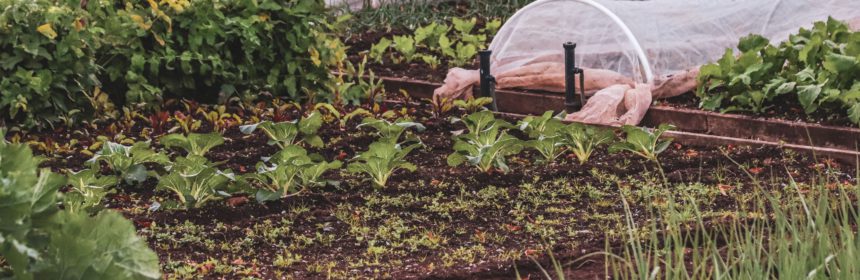
Spring is one of the busiest times of the year for gardeners, making it the ideal season to prepare garden beds for healthy plant growth. One of the most important materials to consider is veggie mix soil, which provides vegetables and herbs with the nutrients and structure needed for strong root development. High-quality soil helps improve drainage, supports beneficial microorganisms, and creates an ideal environment for seedlings and established plants alike.
Applying garden mulch is another essential step when preparing for spring planting. Mulch helps retain moisture in the soil, suppress weed growth, regulate soil temperature, and gradually improve soil quality as organic materials break down. Using mulch around vegetables, flowers, shrubs, and trees can reduce maintenance while supporting healthier plant growth throughout the growing season.
Before planting begins, it is important to inspect existing garden beds. Removing weeds, dead plants, fallen leaves, and other debris creates a clean growing environment and reduces the risk of pests and diseases carrying over from winter. Turning over the soil also improves aeration, allowing roots to access oxygen and water more effectively.
Adding compost is another valuable way to improve soil health. Compost increases organic matter, enhances moisture retention, and supplies essential nutrients that support healthy plant growth. Whether using homemade compost or commercially produced products, incorporating compost before planting provides an excellent foundation for spring crops.
Fertilisers can also help replenish nutrients that may have been depleted during previous growing seasons. Different plants require different nutrient levels, so selecting an appropriate fertiliser for vegetables, flowering plants, or lawns can improve growth and productivity. Following application guidelines helps avoid over-fertilising, which may damage plants.
Garden tools should also be inspected before the season begins. Sharp secateurs, clean spades, rakes, trowels, and hoes make planting and maintenance easier while reducing the risk of spreading plant diseases. Cleaning and sharpening tools before use improves efficiency throughout the gardening season.
Seedlings and seeds should be selected based on local growing conditions and planting schedules. Spring is an ideal time for planting many vegetables, herbs, annual flowers, and ornamental plants. Choosing healthy seedlings from reputable suppliers can improve establishment and reduce the likelihood of disease.
Watering equipment is another important consideration. Checking hoses, irrigation systems, sprinklers, and watering cans before planting ensures reliable water delivery once temperatures begin to rise. Consistent watering is particularly important while new plants establish their root systems.
Protecting young plants from pests is also worthwhile during spring. Garden netting, organic pest control methods, and regular inspections can help minimise damage caused by insects, birds, and other garden pests without disrupting plant growth.
Garden edging and pathways can also be refreshed before planting begins. Clearly defined garden beds improve appearance while making maintenance easier throughout the growing season. Fresh edging materials and tidy paths contribute to a more organised and accessible garden.
Preparing a garden for spring involves more than simply planting new flowers or vegetables. By improving soil quality, applying mulch, maintaining tools, selecting healthy plants, and ensuring proper watering, gardeners can create the ideal conditions for a productive growing season. Careful preparation early in spring often results in stronger plants, healthier gardens, and more rewarding harvests in the months ahead.